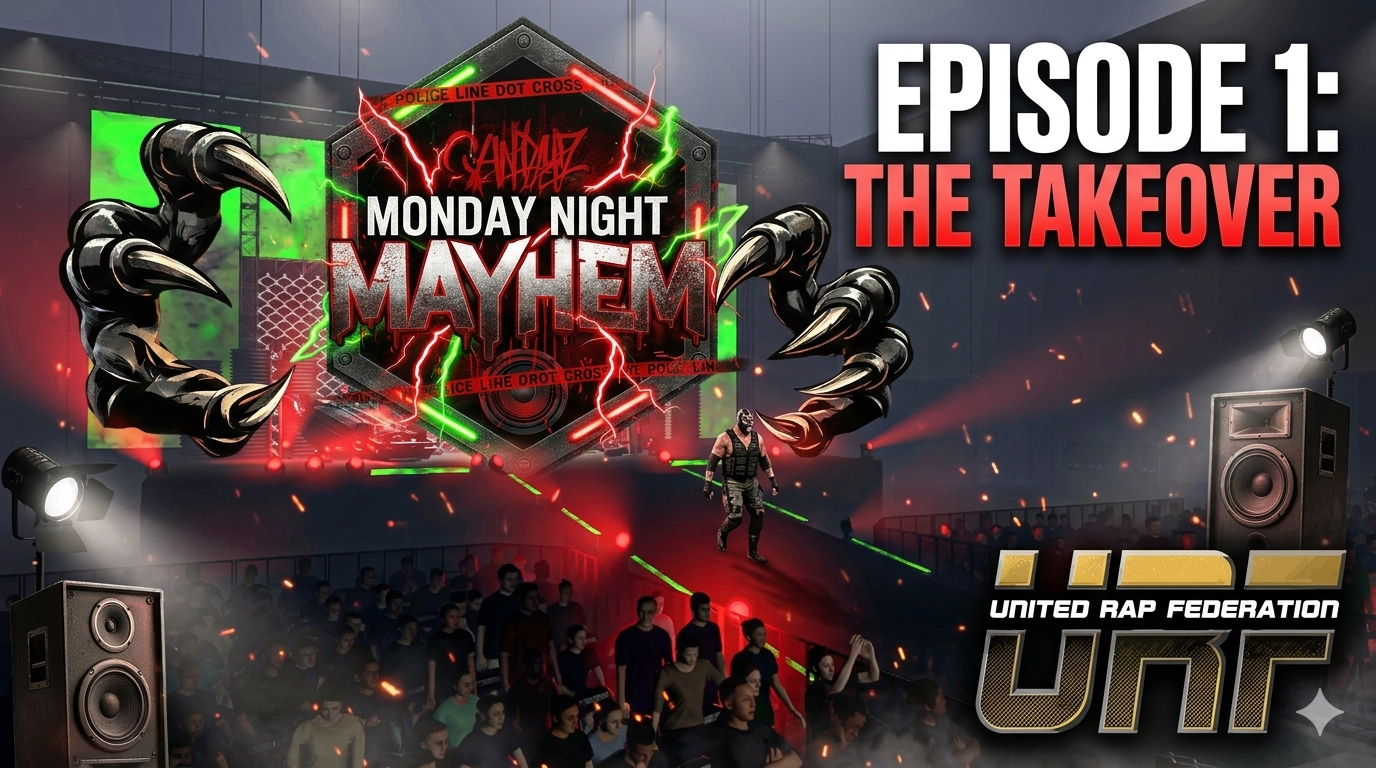
Step into the gritty, unfiltered battleground where the rules are thrown out the window, respect is earned the hard way, and the action never stops. GM Dante Crossland has promised a show that will shake the very foundation of the URF, but in this universe, absolutely nothing goes exactly as planned.

From the Gridiron to the Squared Circle

The music mogul-turned-entrepreneur says the biggest threat to African growth isn't a lack of resources—it’s the rigid borders separating neighbors.

The Gen 3 Breakthrough: "This Bot Got Hands"
Step into the gritty, unfiltered battleground where the rules are thrown out the window, respect is earned the hard way, and the action never stops. GM Dante Crossland has promised a show that will shake the very foundation of the URF, but in this universe, absolutely nothing goes exactly as planned.
From the Gridiron to the Squared Circle
The music mogul-turned-entrepreneur says the biggest threat to African growth isn't a lack of resources—it’s the rigid borders separating neighbors.
The Gen 3 Breakthrough: "This Bot Got Hands"
Step into the gritty, unfiltered battleground where the rules are thrown out the window, respect is earned the hard way, and the action never stops. GM Dante Crossland has promised a show that will shake the very foundation of the URF, but in this universe, absolutely nothing goes exactly as planned.
From the Gridiron to the Squared Circle
The music mogul-turned-entrepreneur says the biggest threat to African growth isn't a lack of resources—it’s the rigid borders separating neighbors.
The Gen 3 Breakthrough: "This Bot Got Hands"

The Vallejo artist who redefined independence just made the biggest power move of the year. Is this the new blueprint for hip-hop success?
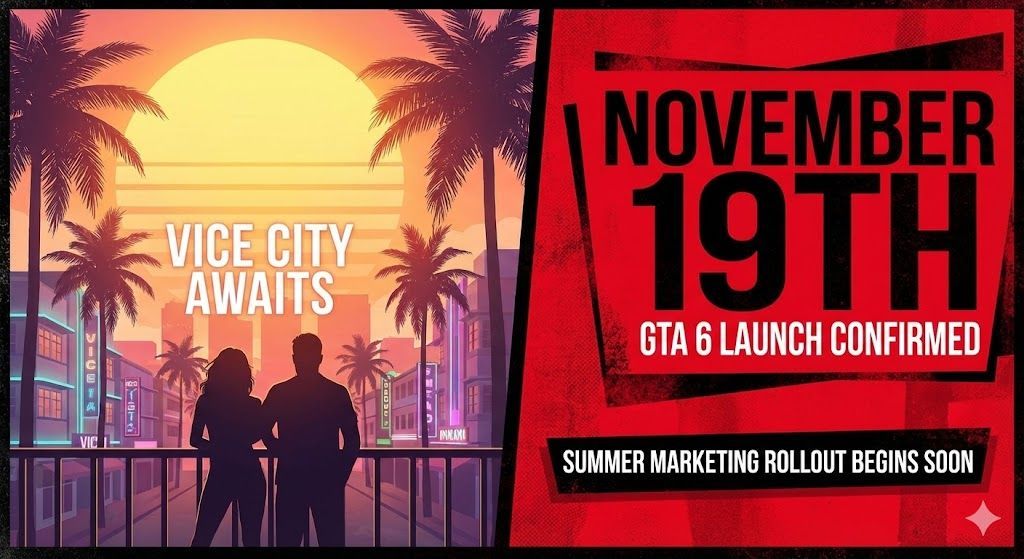
Rockstar has locked the date for our return to Vice City. Get ready for a marketing blitz that’s about to swallow the internet whole.
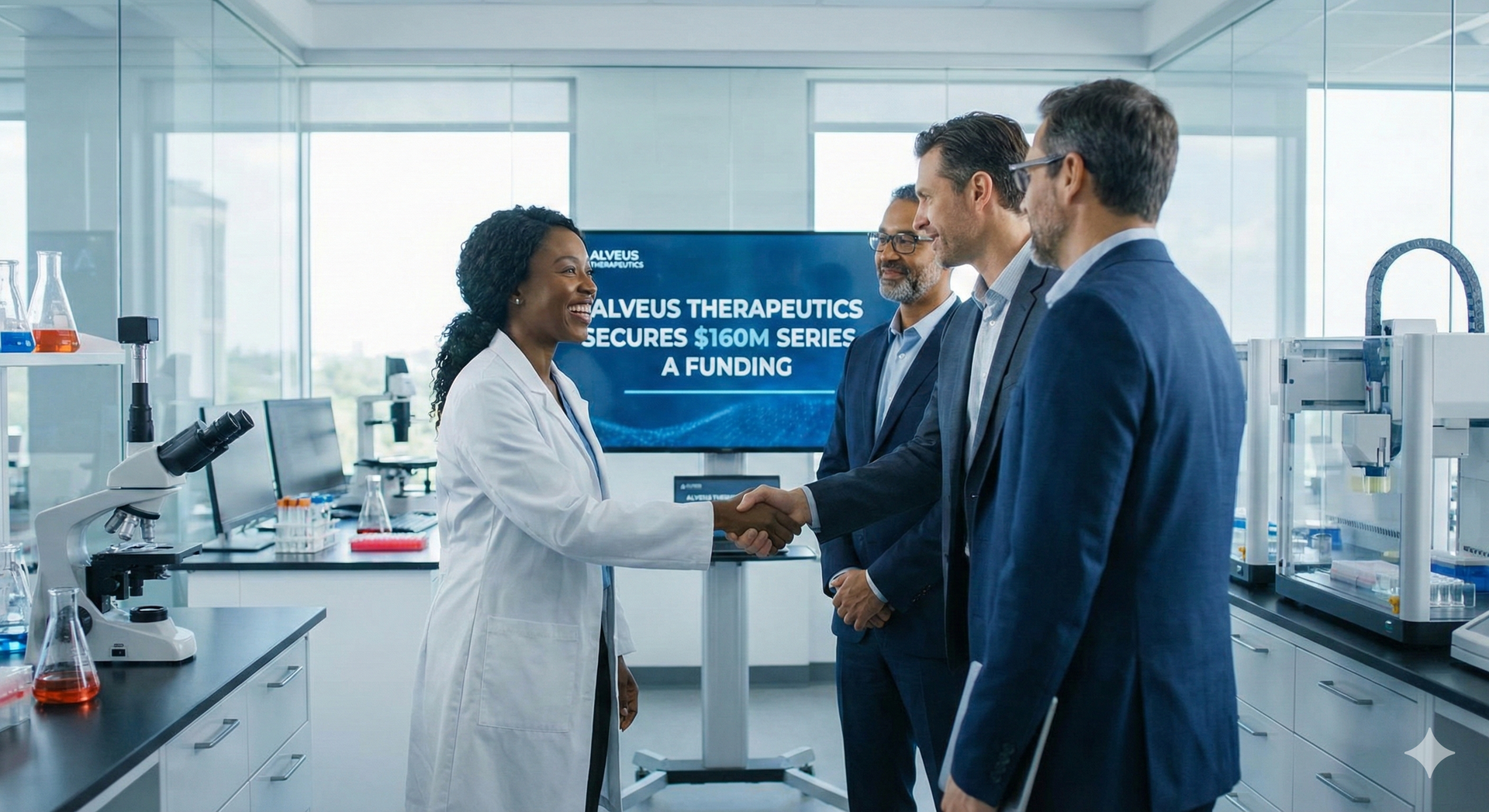
In a significant win for Black-led innovation in biotech/health-tech, Alveus Therapeutics (highlighted in recent "Black Innovation" roundups) has exited stealth mode with a massive $160 million in funding.The company is developing alternatives to popular weight-loss drugs like Ozempic, positioning itself as a major player in the life sciences sector for 2026. The Scoop: In a massive win for biotech, Alveus Therapeutics launched with $160 million in Series A funding on January 8. They are developing next-gen oral drugs for obesity and metabolic disease that could rival Ozempic. Impact on Black Culture & Community: This is a dual-impact story. Economically, it showcases Black leadership in the high-stakes world of biotech venture capital. Culturally, it addresses a health equity crisis ; metabolic diseases disproportionately affect Black communities due to systemic food apartheid. A Black-led company solving this issue implies a solution that might prioritize accessibility and trust in medical systems where it has historically been lacking.
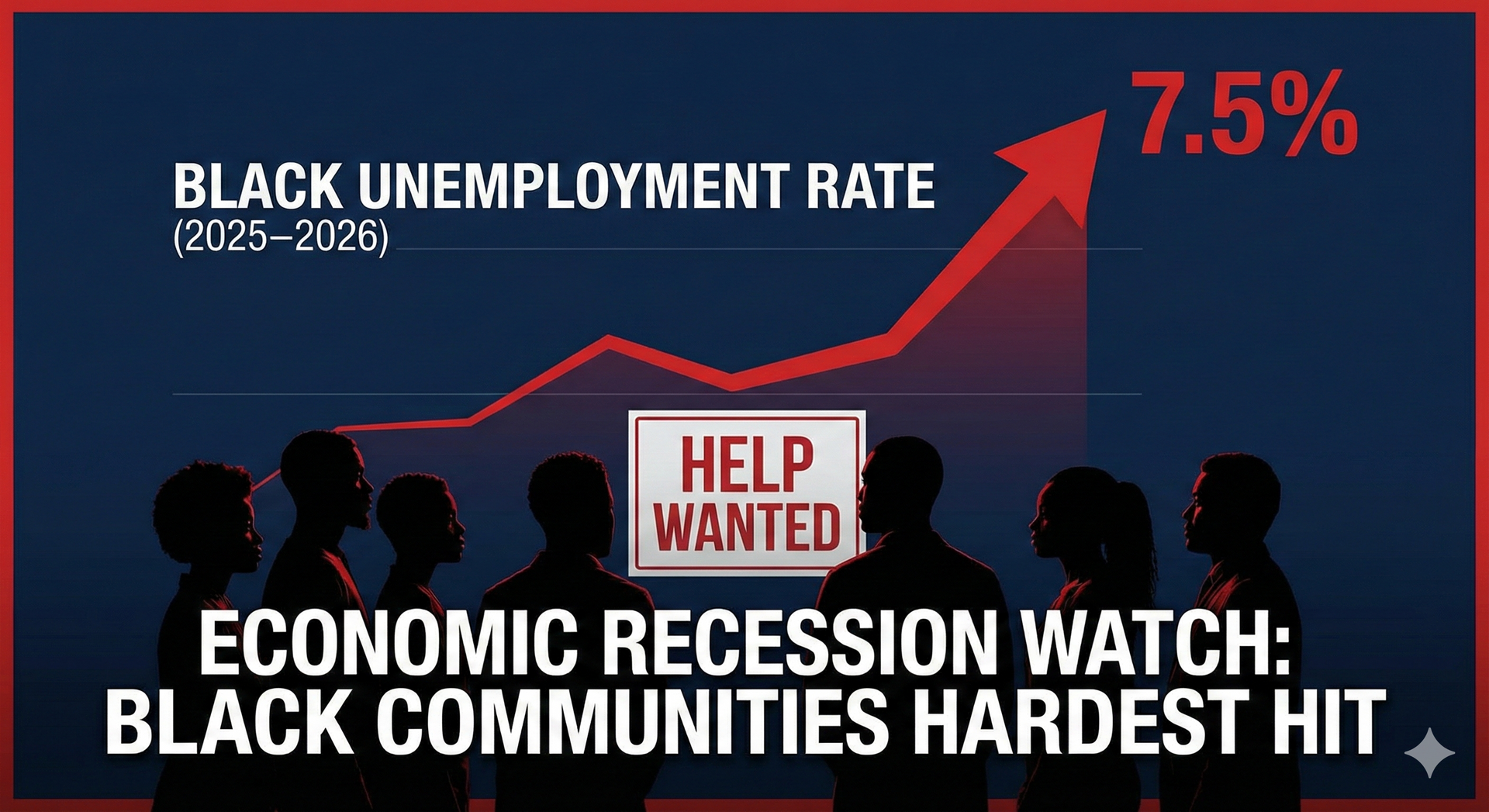
By Jan 2026, Black unemployment hit 7.5% (vs. ~4% national average), a stark increase signaling a specific "Black Recession."
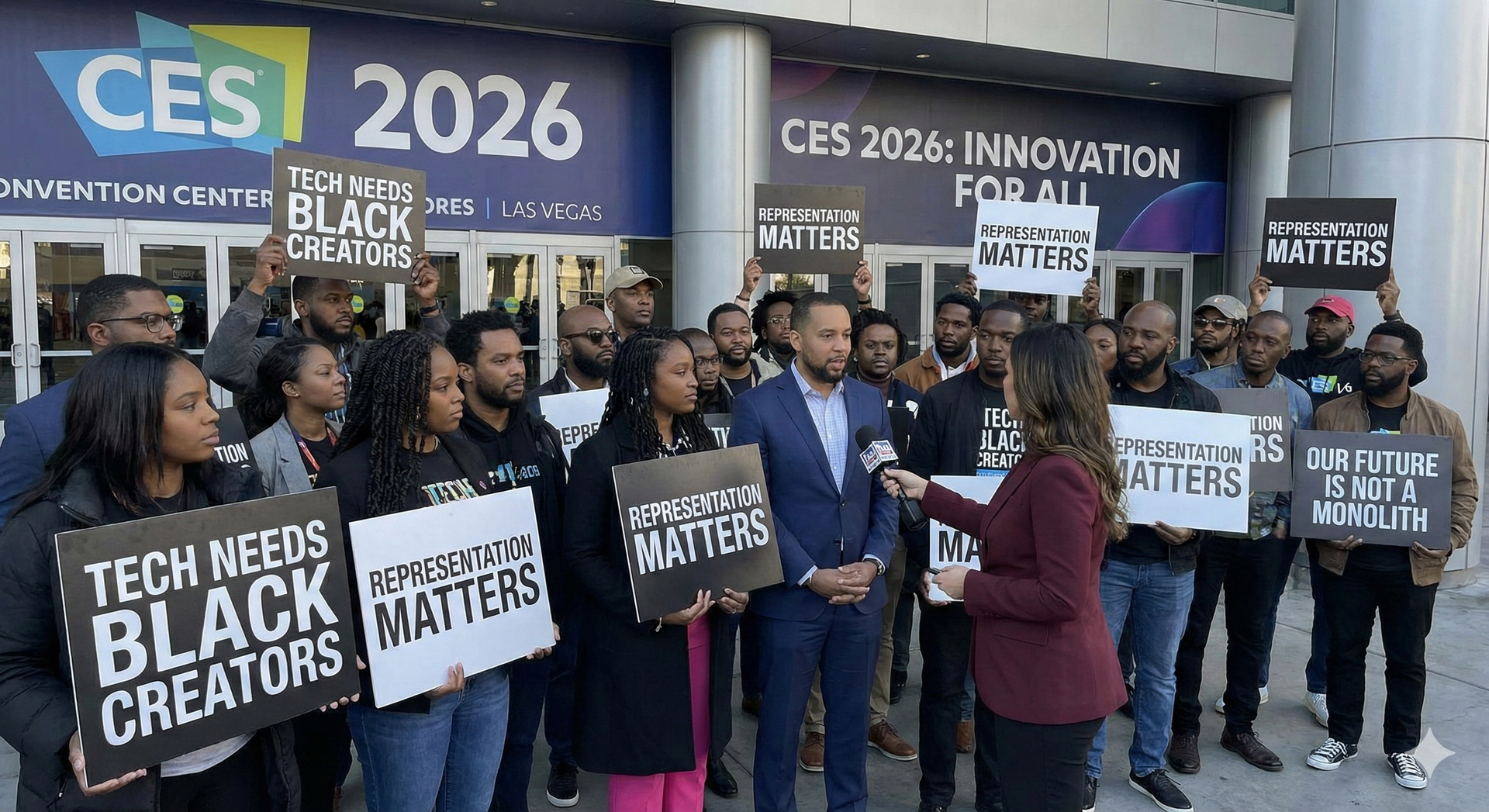
Calls for Representation at CES 2026

The 2026 Golden Globes (held in early January) sparked major conversation around Ryan Coogler’s film Sinners. Coogler received nominations for Best Director and Best Screenplay , while Michael B. Jordan was nominated for Best Actor. The film is currently the center of "Black Hollywood" buzz as the industry heads toward the Oscars. Ryan Coogler & Michael B. Jordan’s Sinne The Scoop: Coogler’s supernatural thriller Sinners (starring Michael B. Jordan) is sweeping early 2026 awards buzz, including Golden Globe nominations. The film reimagines genre storytelling with deep cultural roots. Impact on Black Culture & Community: This film continues the "Coogler Effect"—proving that Black folklore and specificity have massive global appeal. It validates the idea that Black stories don't have to be about trauma or civil rights history to be "prestigious"; they can be genre-bending blockbusters that still honor the culture.
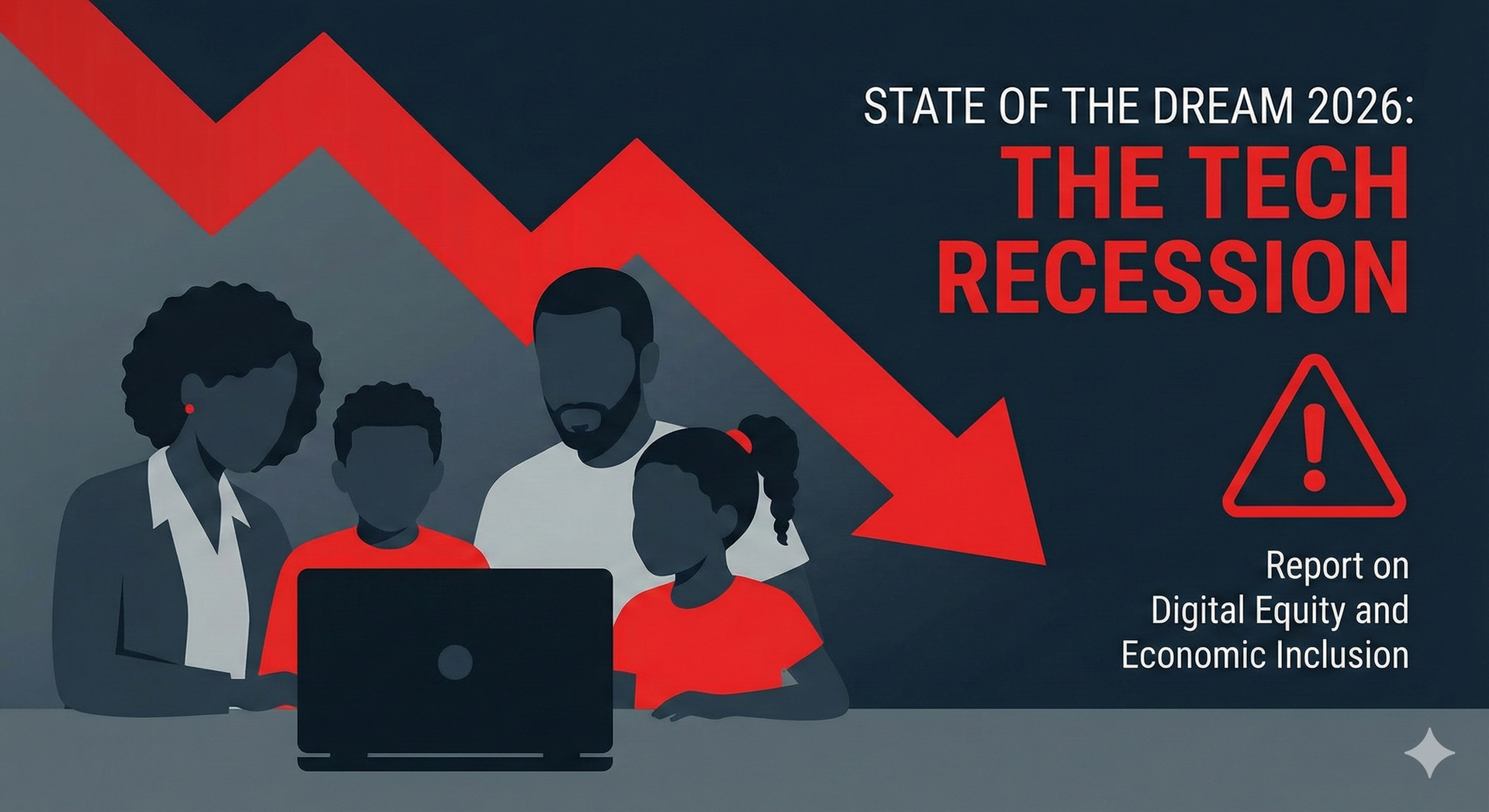
A major report released in mid-January by the Joint Center for Political and Economic Studies warns that Black America is facing a "recession" in the technology sector. The report highlights the rollback of critical federal policies, including the cancellation of the Digital Equity Act , which is threatening broadband access in Black communities. It also flags a retreat from "equity-focused" AI policy, raising concerns that unchecked AI tools may increase bias in hiring and lending. The Scoop: The Joint Center for Political and Economic Studies released its "State of the Dream 2026" report in mid-January. It explicitly flags a "tech recession" for Black America, driven by the cancellation of the Digital Equity Act and the removal of affordable broadband subsidies (like E-Rate eligibility for school bus Wi-Fi). Impact on Black Culture & Community: This is a "red alert" moment. The rollback of digital equity policies threatens to widen the digital divide just as the AI revolution accelerates. For Black communities, this means reduced access to remote work, online education, and telehealth. It signals a potential "regression" where Black youth may fall behind in digital literacy, not because of a lack of interest, but lack of infrastructure.
The numbers are in, and they are sobering. In 2024, the share of venture capital (VC) funding going to Black founders dropped to a multi-year low of just 0.4% (roughly $730 million out of billions). The "post-2020 pledge" era is over; the checkbooks have closed. But stopping at that statistic is a defeatist mindset. The money is out there—you just have to look where the flash isn't. The Rise of CDFIs Community Development Financial Institutions (CDFIs) are the sleeping giants of Black business funding. Unlike traditional banks that look at your credit score, or VCs that look for a "unicorn" exit, CDFIs are mission-driven lenders certified by the US Treasury to help underserved communities. Organizations like the Black Business Investment Fund (BBIF) or Hope Credit Union are designed to say "yes" when Chase or Wells Fargo says "no." Grants > Loans With interest rates still fluctuating in 2025, debt is expensive. Prioritize non-dilutive capital (money you don't have to pay back). The trick: Stop looking for "general" business grants. Niche down. innovative grants for "Black women in tech," "minority culinary owners," or "urban agriculture" are less competitive. Resource: Check the Hello Alice and IFundWomen databases weekly. Crowdfunding as Validation Platforms like Honeycomb Credit or Buy The Block allow you to raise capital from your community. This kills two birds with one stone: you get the cash you need, and you prove to future investors that you have a loyal customer base willing to bet on you. Key Takeaway: Stop chasing VCs who don't understand your culture or your market. Build a relationship with a local CDFI officer this month—they are your bridge to sustainable capital.
The "grind" is glorified in our culture. We praise the sleepless nights and the "team of one" mentality. But in 2025, the goal isn't just to be busy—it's to be profitable without doing everything yourself. According to the 2024 census data, while Black entrepreneurs account for nearly 10% of all US businesses, the vast majority are solopreneurs with zero employees. To close the wealth gap, we have to bridge the scaling gap. The "Super-Producer" Trap Many Black founders fall into the trap of being a "Super-Producer"—you are the best at what you do (baking, coding, consulting), so you fear delegating. But you cannot scale a business if you are the bottleneck. Scaling requires moving from doing the work to designing the systems that do the work. Automate Before You Hire. Before you take on the payroll burden, look at your tech stack. In 2025, AI is the great equalizer. Tools like ChatGPT for customer service scripts, Zapier for workflow automation, and QuickBooks for finances are cheaper than a human assistant. If a task is repetitive (e.g., invoicing), automate it. If it requires critical thinking, then hire for it. The First Hire : Admin vs. Revenue A common mistake is hiring a clone of yourself. Instead, hire for your weakness. The "Buying Back Time" Hire: An Executive Assistant or Operations Manager. They handle the inbox and scheduling so you can focus on sales. The "Revenue" Hire : A salesperson or marketing lead. This person should pay for themselves within 3–6 months by bringing in new business. Key Takeaway : You are not a CEO until the business can function for a week without you. Your goal for this year is to fire yourself from at least three daily tasks.