Venture Capital is Failing Us: Why CDFIs Are the Better Bet in 2025


By Jeremy Martin December 15, 2025

The numbers are in, and they are sobering. In 2024, the share of venture capital (VC) funding going to Black founders dropped to a multi-year low of just 0.4% (roughly $730 million out of billions). The "post-2020 pledge" era is over; the checkbooks have closed. But stopping at that statistic is a defeatist mindset. The money is out there—you just have to look where the flash isn't.


The Rise of CDFIs Community Development Financial Institutions (CDFIs) are the sleeping giants of Black business funding. Unlike traditional banks that look at your credit score, or VCs that look for a "unicorn" exit, CDFIs are mission-driven lenders certified by the US Treasury to help underserved communities. Organizations like the Black Business Investment Fund (BBIF) or Hope Credit Union are designed to say "yes" when Chase or Wells Fargo says "no."


Grants > Loans With interest rates still fluctuating in 2025, debt is expensive. Prioritize non-dilutive capital (money you don't have to pay back).

  • The trick: Stop looking for "general" business grants. Niche down. innovative grants for "Black women in tech," "minority culinary owners," or "urban agriculture" are less competitive.
  • Resource: Check the Hello Alice and IFundWomen databases weekly.

Crowdfunding as Validation Platforms like Honeycomb Credit or Buy The Block allow you to raise capital from your community. This kills two birds with one stone: you get the cash you need, and you prove to future investors that you have a loyal customer base willing to bet on you.

Key Takeaway: Stop chasing VCs who don't understand your culture or your market. Build a relationship with a local CDFI officer this month—they are your bridge to sustainable capital.

Start or Grow your business.

5 Secrets the rich don't want you to know.


Never miss out on money moves again!

Sign up to get industry insights, trends, and more in your inbox.

Contact Us

SHARE THIS

Featured

By Jeremy Martin February 5, 2026
The Vallejo artist who redefined independence just made the biggest power move of the year. Is this the new blueprint for hip-hop success?
By Jeremy Martin February 4, 2026
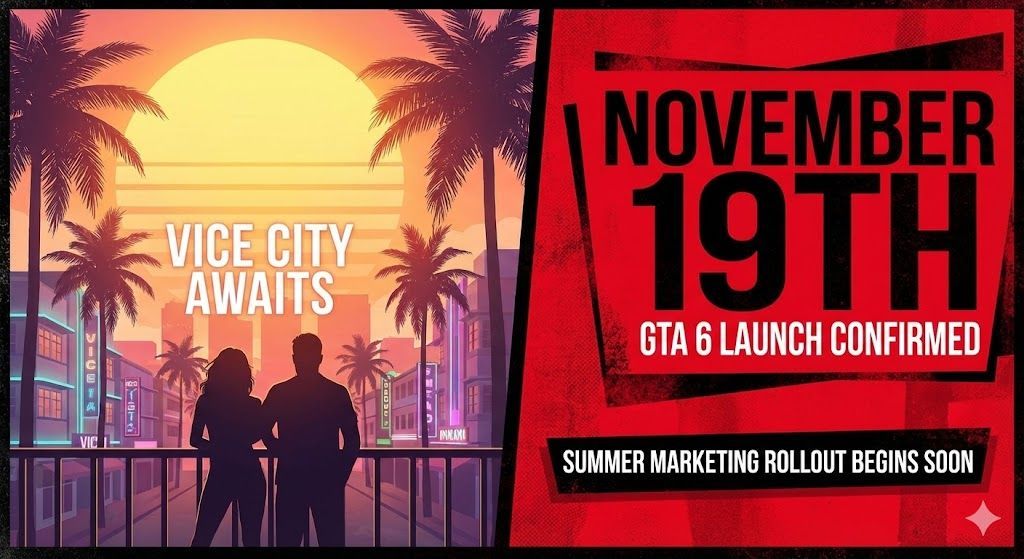
Rockstar has locked the date for our return to Vice City. Get ready for a marketing blitz that’s about to swallow the internet whole.

Slide Title

Slide description

Button

Slide Title

Slide description
Button

Slide Title

Slide description
Button

Latest Posts

By Jeremy Martin February 5, 2026
The Vallejo artist who redefined independence just made the biggest power move of the year. Is this the new blueprint for hip-hop success?
By Jeremy Martin February 4, 2026
Rockstar has locked the date for our return to Vice City. Get ready for a marketing blitz that’s about to swallow the internet whole.
By Jeremy Martin January 21, 2026
In a significant win for Black-led innovation in biotech/health-tech, Alveus Therapeutics (highlighted in recent "Black Innovation" roundups) has exited stealth mode with a massive $160 million in funding.The company is developing alternatives to popular weight-loss drugs like Ozempic, positioning itself as a major player in the life sciences sector for 2026. The Scoop: In a massive win for biotech, Alveus Therapeutics launched with $160 million in Series A funding on January 8. They are developing next-gen oral drugs for obesity and metabolic disease that could rival Ozempic. Impact on Black Culture & Community: This is a dual-impact story. Economically, it showcases Black leadership in the high-stakes world of biotech venture capital. Culturally, it addresses a health equity crisis ; metabolic diseases disproportionately affect Black communities due to systemic food apartheid. A Black-led company solving this issue implies a solution that might prioritize accessibility and trust in medical systems where it has historically been lacking.
By Jan 2026, Black unemployment hit 7.5% (vs. ~4% national average), a stark increase signaling a sp
By Jeremy Martin January 21, 2026
By Jan 2026, Black unemployment hit 7.5% (vs. ~4% national average), a stark increase signaling a specific "Black Recession."